

Most post-apocalyptic fiction is set in America. Ruined New York. Wasteland California. Desperate survivors in the heartland.
I chose Finland.
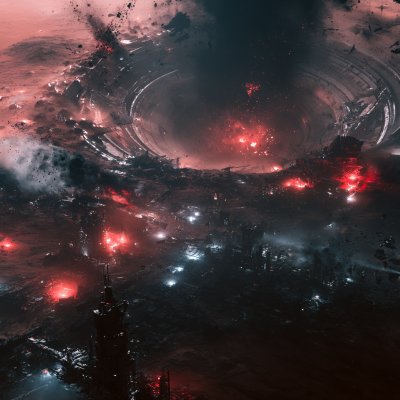
Neo Helsinki in Fall of the Titans isn’t just a backdrop—it’s a character. A megacity where Finnish sisu built shelter for millions of refugees after the comet Apophis devastated Earth. Where Nordic efficiency evolved into something colder. Where the values that saved humanity became the machinery of control.
This post explores how Finnish culture shapes the world of Fall of the Titans, and why setting matters more than most writers realize.
Why Finland?
Three reasons:
- Fresh Perspective
American post-apocalyptic settings carry cultural baggage. We’ve seen them so many times that certain assumptions become automatic: rugged individualism, frontier survival, distrust of government, guns as solutions.
Finland offers different assumptions. Collective survival. Trust in institutions (until those institutions betray it). Stoic endurance rather than dramatic heroism. Sisu—that untranslatable Finnish concept of resilience, grit, and determination in the face of impossible odds.
These assumptions create different stories. Different character motivations. Different moral dilemmas.
2. Personal Connection
I’m Finnish. The culture isn’t exotic to me—it’s home. That means I can write it from the inside rather than as an outside observer documenting the curious natives.
I know how Finnish silence works. How direct communication can seem rude to outsiders but feels honest to Finns. How the relationship between individual and society differs from American frameworks. How sisu can be strength and stubbornness, survival trait and fatal flaw.
Writing what you know doesn’t mean writing autobiography. It means writing with the authority of lived experience.
3. Underexplored Territory
Nordic science fiction exists, but Finnish post-apocalyptic megacity fiction is rare enough that I’m not competing with established templates. I can build something genuinely new.
When readers encounter Neo Helsinki, they can’t pattern-match it to a dozen other stories. Every detail has to be established. That’s more work—but it creates deeper immersion.
The Cultural DNA of Neo Helsinki
Neo Helsinki emerges from Finnish values projected into catastrophic circumstances:
Sisu as foundation
When Apophis hit and the world collapsed, Finnish sisu became survival strategy. The determination to endure. The refusal to quit when quitting would be reasonable. The willingness to do hard things because they need doing.
Neo Helsinki was built by people who looked at the apocalypse and said “We’ll manage.” Not with optimism—with grim determination. That attitude saved millions.
But sisu has a shadow side. It can become inflexibility. Refusal to adapt. Coldness toward those perceived as weak. The same determination that builds shelters can justify cruelty toward those who “can’t handle” survival.
Efficiency as Religion
Finnish design values function over ornament. Clean lines. No waste. Everything serving purpose.
Neo Helsinki’s architecture reflects this—but pushed to extremes. Every square meter optimized. Every resource tracked. Every citizen monitored for inefficiency.
What begins as pragmatic survival becomes oppressive control. The efficiency that prevents waste also prevents privacy. The systems that allocate resources also allocate lives.
Trust and Betrayal
Finland has historically high social trust. People follow rules because rules make society work. They trust institutions because institutions have earned trust.
In Neo Helsinki, that trust becomes a weapon. Citizens comply because compliance is what good citizens do. When Lord Commander Ares corrupts the institutions, most people don’t notice—they’re still following the rules that used to mean something.
The story’s central betrayals hit harder because they violate Finnish assumptions about how society works. It’s not just personal betrayal; it’s systemic corruption of trusted frameworks.
The Language and Details
Finnish elements appear throughout the text:
Curses: When Terror yells “Vittu!” in combat, when Falck mutters “Perkele” under his breath, when someone dismisses bad news as “Paskat”—these aren’t exotic flavoring. They’re how Finnish characters actually curse.
Names: Neo Helsinki maintains Finnish naming alongside international elements. The refugee influx created a multilingual society, but Finnish remains the cultural core.
Architecture: Finnish minimalism meets megacity necessity. Buildings that would fit in modern Helsinki, scaled up and hardened for dome-enclosed survival.
Social systems: Finland’s famous welfare state evolved into Neo Helsinki’s welfare-through-control model. Everyone is cared for. Everyone is tracked. The safety net is also a surveillance web.
Silence: Finnish communication styles inform character interactions. Long pauses that aren’t awkward. Direct statements that Americans might find rude. Comfortable silence between people who don’t need words.
What Setting Teaches
Writing Neo Helsinki taught me that setting is never neutral:
Setting shapes character. Falck’s stoicism isn’t generic protagonist toughness—it’s Finnish emotional restraint learned from childhood. Ares’s certainty reflects Finnish institutional trust corrupted into authoritarianism.
Setting creates conflict. The tension between Neo Helsinki’s efficiency and Mars Militia’s family-first chaos isn’t just political—it’s cultural. Two different visions of what post-apocalyptic humanity should become.
Setting establishes stakes. Readers who understand Neo Helsinki as a Finnish achievement—the impossible city that survived when others fell—feel the weight of its corruption differently than readers who see it as generic dystopia.
Setting enables specificity. Instead of vague “megacity” details, I can draw on specific Finnish elements. The sauna culture that survives in modified form. The relationship with nature that persists even under a dome. The particular flavor of dark humor that helps Finns endure.
For Writers: Choosing Your Setting
If you’re building a speculative world, consider:
What cultural assumptions does your setting carry? American settings carry American assumptions. British settings carry British assumptions. These assumptions shape stories in ways that may or may not serve your themes.
What do you know from inside? Settings drawn from personal experience have texture that researched settings struggle to match. You don’t have to write autobiography—but your own cultural knowledge is an asset.
What hasn’t been done to death? Familiar settings can work, but they require extra effort to feel fresh. Unfamiliar settings create automatic novelty—everything has to be established, which means everything can be controlled.
What serves your themes? Neo Helsinki’s Finnish foundations serve Fall of the Titans’ themes about collective survival, institutional trust, and the costs of efficiency. Different themes might require different foundations.
Conclusion
Neo Helsinki isn’t just where Fall of the Titans happens. It’s a character with its own arc—a society that saved humanity and then began crushing it, built by virtues that became vices.
Finnish sisu built the dome. Finnish efficiency optimized survival. Finnish trust enabled cooperation.
And Finnish stubbornness, Finnish coldness, Finnish institutional loyalty created the conditions for Lord Commander Ares to corrupt everything.
The setting isn’t neutral. It never is.
Explore more of Neo Helsinki in the Fall of the Titans Archive entries—in-world documents that reveal the city’s hidden history.